
Registered NSW certifier · Sydney and surrounds
The calm way to get your pool certified.
I check your pool and its fence against the NSW rules, tell you plainly what passes and what does not, sort the small stuff I can on the day, and issue your certificate the same day: compliance if it passes, non-compliance if it does not.
Craig O’Connor · Registered Certifier BDC05248 · Swimming Pool Inspector
Book, and you get one certifier the whole way through. The person who answers your call is the one who turns up, makes the call on the day and signs the certificate. Start to finish, you only ever deal with me.

The difference
Most inspections end with a list of problems. Mine end with a solid understanding of what is required, help right through the process, and the minor issues sorted before I leave site.
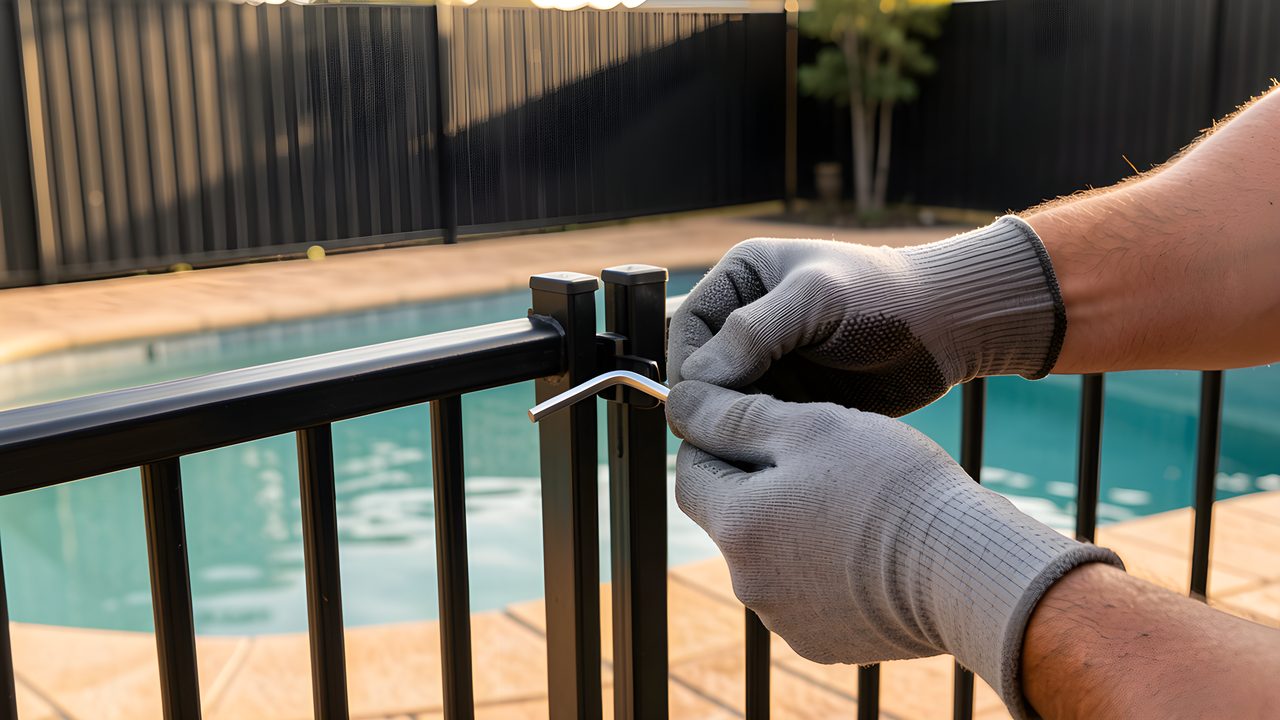
Many of the things that fail an inspection are small: a latch, a hinge, a gate that does not quite close. Where a fix is minor, I will often sort it while I am there, and I will always tell you exactly where your pool stands and what it takes to get certified. Some pools need a second visit once the bigger work is done, and that is a normal part of the job, not a failure. Either way you are not left guessing: you get a straight read on what is required and a hand through the whole process, not a fail and a handshake.
Inspect
A complete check of your pool and its surroundings against the NSW rules: fences, gates, latches, climbable objects, signage. Nothing rushed, nothing skipped.
Advise and fix
You hear exactly what passed and what did not, in plain English. Most small faults, we can sort out how to put right on the day, rather than turn into a second visit.
Certify
You get your certificate the same day. When your pool passes, I lodge your certificate of compliance on the NSW Swimming Pool Register for you. If it does not pass, you still leave with a certificate of non-compliance that day, which is a valid document for a sale.
Selling
Selling? A certificate is what the contract needs
Every pool sale in NSW needs a valid certificate attached to the contract, and that certificate can be a certificate of compliance or a certificate of non-compliance. Both are valid for the sale. If your pool passes, you get the compliance certificate. If it does not, a certificate of non-compliance does the same job for the contract: it sets out exactly what needs doing, and the buyer generally takes on that work after settlement. Plenty of sellers choose that route on purpose, and it is a normal, above-board way to sell. Whichever way it goes, I issue your certificate the same day I inspect, so your sale keeps moving.
Do not spend on fixes before you have to. If you are selling, get your certificate before you start pulling the pool area apart. You need a certificate for the contract, not a finished rectification job, so a certificate of non-compliance can get you to market with your open homes and your photos looking their best. The listed work can then wait until after the sale, or become the buyer's job. Get the certificate, keep the pool presentable through the campaign, and do the compliance work when it actually needs doing. If you want a hand working out which order makes sense for your sale, that is exactly the sort of thing I will talk through on the day.
Where to start
Whatever brought you here, there is a straight answer

Selling a house with a pool
The certificate is part of the contract, not optional paperwork. How the timing works so it does not hold up your exchange.

Leasing out a property
Leasing has stricter rules than selling, and one option sellers have is not available to you. Know the difference before you list.

The complete NSW guide
The rules, the register, the costs, and what an inspector actually looks for when they walk through your gate.
A useful inspection
Clear answers, not just a result
Know what I checked
I check the whole access and safety system, not just the most obvious run of fence: gates, latches, the non-climbable zone around the fence, signage, and where the pool meets the house and boundaries.
Understand what matters
If something needs attention, I tell you what it is, why it matters, and whether it is a five minute correction or a job for a fence contractor.
Leave with a next step
You finish the visit with your certificate the same day, compliance if the pool passes, non-compliance with a precise list of what to fix if it does not.
Quick answers
The five questions I hear most
Do I need a pool compliance certificate to sell my house in NSW?
The sale contract generally needs one of the prescribed pool documents: a valid compliance certificate, a relevant occupation certificate with the required registration evidence, or a valid certificate of non-compliance. Your conveyancer can confirm the correct path for the property.
What happens if my pool fails the inspection?
If something does not pass and it is minor, we work out how to put it right there and then. Often that is something I can take care of on the day rather than send you back for a second visit. Anything bigger, I will tell you exactly what is needed and who to call.
How long is a certificate of compliance valid for?
Generally three years from the date of issue, unless it ceases earlier under the Act.
Do I have to use my council for the inspection?
No. You can use your council, or a registered certifier like me. Either can inspect the pool and issue the certificate once the requirements are met. I compete with council on speed, on advising you properly, and on sorting the small things while I am there.
Does my spa need a compliance certificate too?
Spa pools are included in the Act, but a qualifying spa pool can use a specific access pathway involving a prescribed lockable child-resistant structure. A swim-oriented product should be assessed rather than assumed to have the same exemption.

Ready when you are
Book the visit, get the certificate.
0431 856 855Call, or book online. I reply within one business day.