
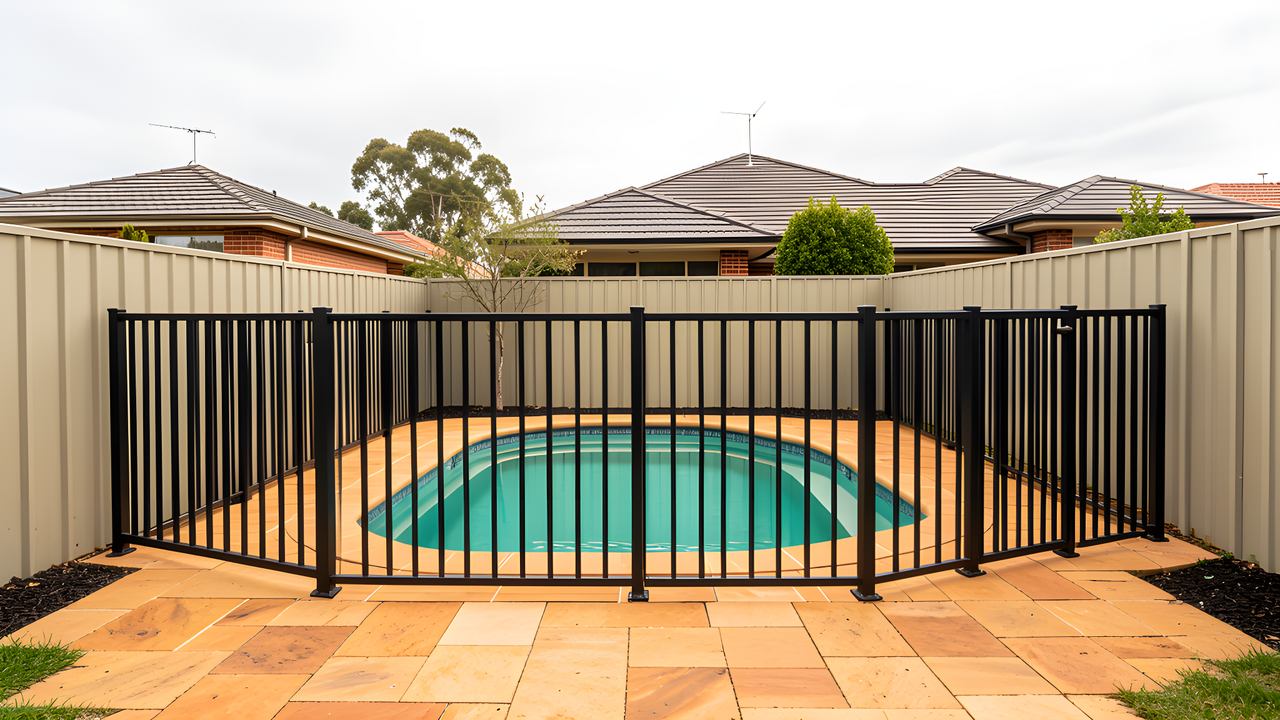
If you are renting out a property with a pool, the rules are close to the selling rules with one important difference that catches landlords out: the fallback that lets you sell a non-compliant pool does not exist for rentals.
So your pool has to actually comply before a tenant moves in, not just be documented. Here is exactly what you need and how to keep it simple across changes of tenant.
Key facts for landlords
- To lease, you need a registration certificate from the NSW Swimming Pool Register plus a valid certificate of compliance or a relevant occupation certificate.
- A certificate of non-compliance cannot be used to lease a property. This is the key difference from selling.
- A certificate of compliance is valid for three years, so one certificate usually covers several tenancies.
- The landlord or agent must provide the tenant with a copy of the certificate of compliance or occupation certificate.
- Certain strata and community schemes with more than two lots have a specific document-clause exception in the standard tenancy agreement. That is not a blanket exemption from pool safety law.
| Question | Selling | Leasing |
|---|---|---|
| Must the pool be registered? | Yes | Yes |
| Compliance certificate (or relevant occupation certificate) path | Yes | Yes |
| Certificate of non-compliance path | Available in some sale pathways | Not available for rentals |
| Who usually needs a copy? | Conveyancer / buyer pathway | Tenant must be given a copy |
| Practical goal | Correct documents in the contract without holding up exchange | Pool actually complies before the tenant moves in |
What do I need to rent out a property with a pool?
You need two things before a tenant signs.
A registration certificate, confirming the pool is on the NSW Swimming Pool Register. If it is not registered yet, that is the first step, and it is free and quick (see the register guide).
And a valid certificate of compliance, or a relevant occupation certificate if the pool is new enough to have one from the last three years. The landlord or the managing agent then has to give the tenant a copy.
That is the whole requirement. What makes leasing different is what you cannot do, which is the next section.
Why can't I use a certificate of non-compliance for a rental?
When you sell, the law gives you a release valve: you can sell with a certificate of non-compliance and pass the fix to the buyer. When you lease, that valve is closed. There is no certificate of non-compliance option for rentals.
The reasoning is straightforward once you say it out loud. A buyer takes ownership and control of the property and can be given time to bring the pool up to standard.
A tenant does not own the pool, cannot alter it, and is often the very household with young children the safety rules exist to protect.
So the law does not allow a landlord to hand a tenant a pool that is known to fall short. The pool has to comply before they move in.
For you as a landlord this is actually simpler, not harder: there is only one path, which is a compliant pool and a current certificate. No trade-offs to weigh, no obligations to transfer.
When should I get the pool assessed?
Before you advertise the property for lease, for the same reason sellers should get certified before listing: if anything needs attention, you want to know while you have time, not while a tenant is waiting to move in and your agent is chasing you for the certificate.
When I assess a rental pool I look at the whole thing against the rules, not just the fence: the fence design, the non-climbable areas around it, the gates and hardware, the resuscitation signage, and how the pool meets the house and boundaries.
Most of what turns up is ordinary and quick, a gate that no longer self-closes, a latch out of alignment, a foothold left near the fence by the previous tenant, a resuscitation sign that has faded.
Most small faults, we can sort out how to put right on the day, rather than turn into a second visit, and I will tell you plainly if anything larger needs a hand. The recurring culprits are in the common fails guide.
Does one certificate cover multiple tenancies?
Yes. A certificate of compliance is valid for three years, so a single certificate will usually carry you across several tenancies within that period, as long as the pool stays compliant the whole time. You do not need a fresh assessment for every new tenant.
The thing to watch is that compliance can lapse physically between tenants. An outgoing tenant leaves a trampoline or a planter box next to the fence, a gate hinge wears out, ground erodes under a rail.
Because you are handing the property to a new household, a quick walk of the pool and its surrounds at every changeover is worth the ten minutes: check the gate self-closes and latches from any position, check nothing climbable sits within 900 millimetres of the fence outside, and check the resuscitation sign is still clear.
What are my ongoing responsibilities as a landlord?
Your responsibility does not end at handover. The pool has to remain compliant for the life of the tenancy, and as the owner you are the one responsible for it, even though the tenant is the one using it day to day.
It is worth making the safety rules clear to tenants in plain terms: keep the gate closed and never propped, do not move furniture, pot plants, play equipment or storage against the pool fence, and tell you promptly if the gate stops latching.
A one-page note at the start of the tenancy prevents most problems.
If your managing agent handles the property, confirm who is tracking the certificate expiry and the pool's condition, because it is easy for it to fall between owner and agent.
What if my rental pool is in a strata complex?
If the pool is a shared pool in a strata or community scheme with more than two lots, a specific certificate-clause exception can apply in the standard tenancy agreement, and the owners corporation is usually responsible for the shared pool.
That is not a blanket exemption from pool safety law. If your rental is a villa or townhouse with its own private pool, the normal landlord rules apply to you.
Frequently asked questions
Do I need a pool compliance certificate to rent out my property in NSW?
Yes. You need a registration certificate plus a valid certificate of compliance or a recent occupation certificate, and you must give the tenant a copy.
Can I rent out a property with a non-compliant pool?
No. Unlike selling, there is no certificate of non-compliance option for rentals. The pool must comply before the tenant moves in.
How often do I need to re-certify a rental pool?
A certificate of compliance is valid for three years, so it typically spans several tenancies. Just make sure the pool stays compliant in between, especially at tenant changeovers.
Who is responsible for pool compliance in a rental, me or the tenant?
You, as the owner. The tenant uses the pool, but keeping it compliant is the landlord's responsibility. Set clear expectations with tenants about not blocking or propping the fence.
Does my managing agent handle the pool certificate?
Only if you have agreed that with them. Confirm explicitly who tracks the certificate and the pool's condition, because it commonly falls through the gap between owner and agent.
Sources
- NSW Government, Owning a pool or spa: your obligations: https://www.nsw.gov.au/housing-and-construction/building-or-renovating-a-home/pools-and-pool-safety/owner-obligations
- NSW Swimming Pool Register: https://www.swimmingpoolregister.nsw.gov.au/information
- Swimming Pools Act 1992 (NSW) and Residential Tenancies Act 2010 (NSW): https://legislation.nsw.gov.au
Last reviewed 22/07/2026. This is practical information from a registered certifier, not legal advice.