
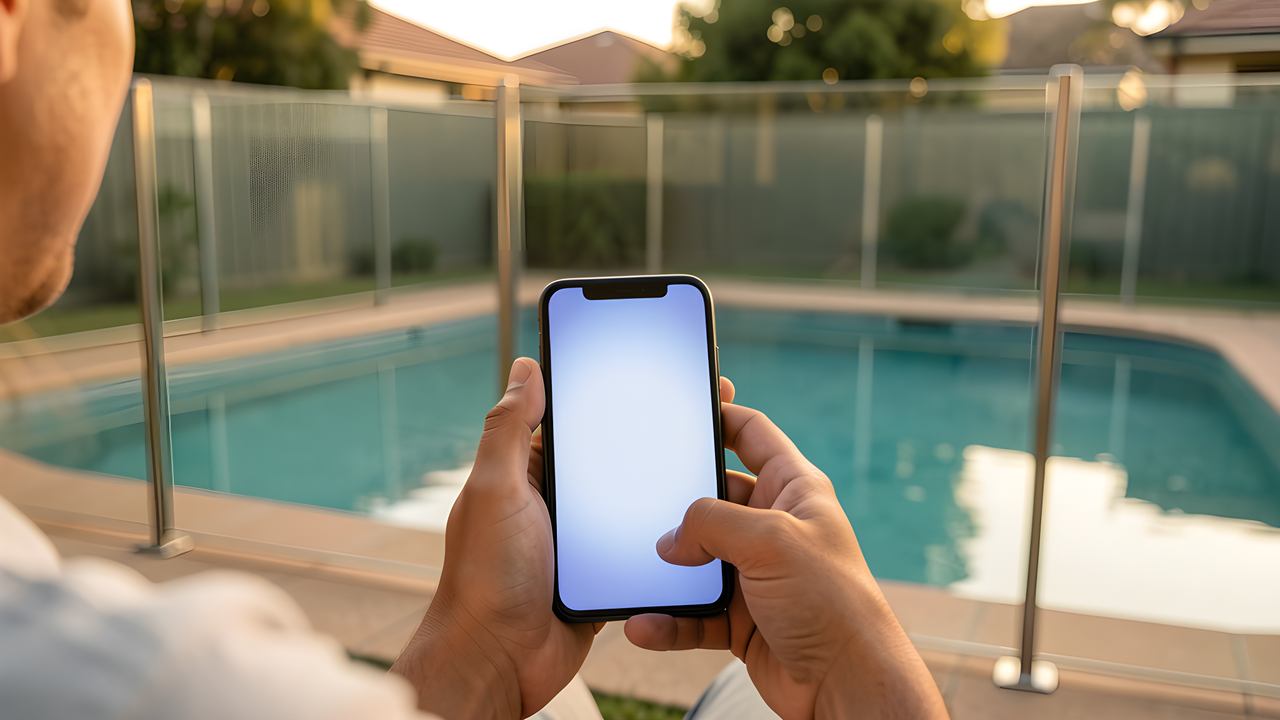
Most people do not need a lecture. They need to know which path they are on.
Use the short tool below, then open the guide that matches your situation. This is general information, not a determination about your property.
Key facts
- Registration and certification are different. Most transaction paths need both in the picture.
- Selling can sometimes use a non-compliance certificate. Leasing cannot.
- Building or renovating is a design-time problem as much as a certificate problem.
- Buyers may want an advisory inspection before exchange even when the seller already has paperwork.
- If you only own the pool and are not transacting, you still need the pool safe and properly registered where required.
Selling
Your contract generally needs one of the prescribed pool documents. A current certificate of compliance is the simplest, but a certificate of non-compliance is equally valid for many sale pathways, and some sellers choose it on purpose.
Read the selling guide · Compare certificate types · Book an inspection
Leasing
You need registration plus a valid compliance certificate or relevant occupation certificate, and the tenant needs a copy. There is no non-compliance pathway for residential tenancies.
Read the leasing guide · Register first if needed · Book an inspection
Building or renovating
Design the fence, levels and landscaping together against the current requirements. Newer standard editions matter more for new work than for untouched existing pools.
Design guide · Which standard applies · 2024 standard update
Buying
Do not assume the seller's paperwork means the fence is still physically right on the day you inspect. Ask what certificate is in the contract and what it actually covers.
Certificate types explained · What commonly fails later · Ask about an inspection
Owning
Keep the pool registered, keep the gate hardware and non-climbable zone honest, and do not wait for a sale to discover drift. A certificate is generally a three-year document, but the physical pool can drift sooner.
Registration guide · Common fails walk · Full compliance overview
Start with the overview
If you are not sure which transaction you are heading into, read the complete compliance guide first, then come back here once the goal is clearer.
A simple manual version
Selling: get the prescribed documents sorted before listing if you can. Leasing: compliance path only. Building: design to current rules early. Buying: read the certificate critically. Owning: registration plus maintenance beats crisis mode.
Spas and portable pools still count when they are over the depth threshold. Use the spa guide or the portable pools guide if that is your setup.
Frequently asked questions
Do all pool owners need a compliance certificate right now?
Not every ordinary day of ownership requires a fresh certificate on the kitchen bench. Registration obligations and keeping the pool safe still apply. Certificates become critical for sale, lease and many transaction pathways.
I am selling. Do I need one?
Your sale contract generally needs one of the prescribed pool documents. That is often a valid compliance certificate, a relevant occupation certificate pathway, or in some cases a non-compliance certificate. Read the selling guide and talk to your conveyancer.
I am leasing. Do I need one?
Yes on the compliance path. Landlords need registration plus a valid compliance certificate or relevant occupation certificate. Non-compliance is not a tenancy pathway.
I only have a spa. Does this tool still apply?
Yes. Spas over the depth threshold are inside the pool framework, with a possible cover pathway for qualifying spa pools.
Can this page replace an inspection?
No. It routes you to the right reading and next step. Only an on-site assessment confirms whether a particular pool meets the requirements.
Sources
- Swimming Pools Act 1992 (NSW)
- Swimming Pools Regulation 2018 (NSW)
- NSW Swimming Pool Register information
Last reviewed 22/07/2026. This is practical information from a registered certifier, not legal advice.