
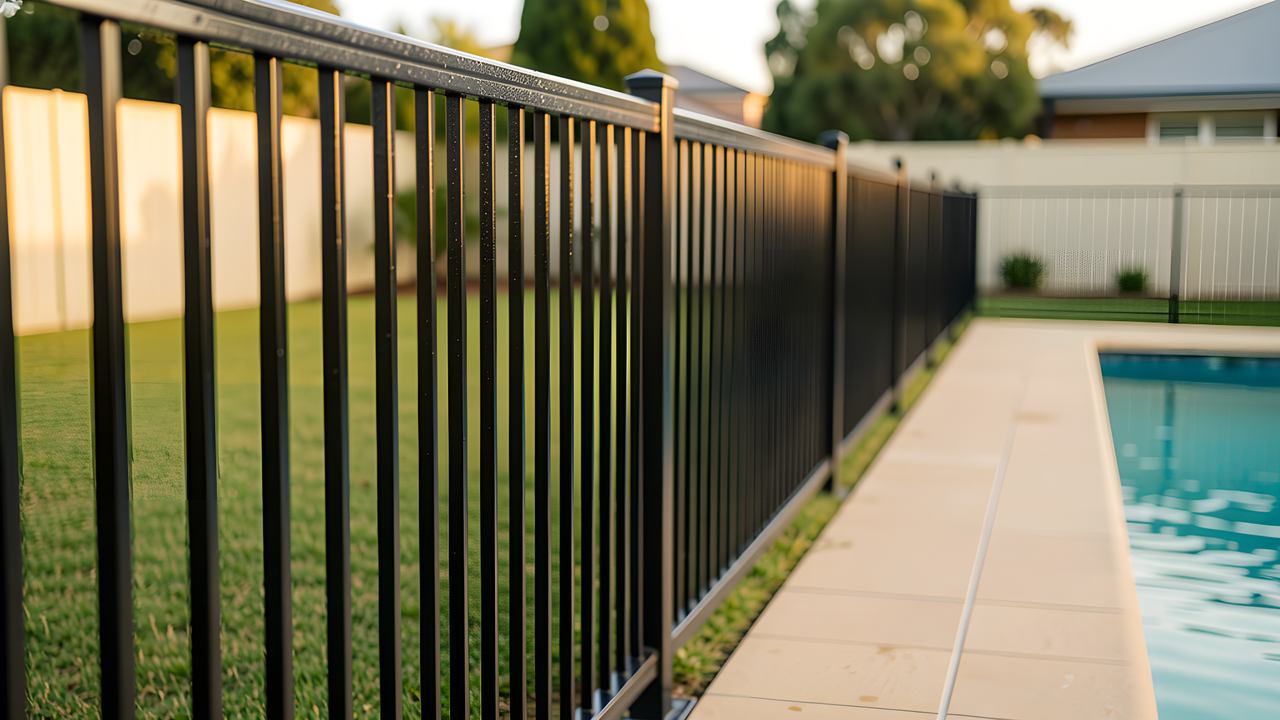
One of the first jobs on an inspection is not measuring the fence. It is working out which rules the pool is actually judged against.
That is why two pools in the same suburb can look similar and still be assessed on different pathways. Age, approvals, later alterations and the type of property all matter.
Key facts
- NSW does not force every existing pool onto the newest published standard overnight.
- The Swimming Pools Act and Regulation set the legal framework. Australian Standards are called up through that framework and through building rules for relevant work.
- Pool age, original approvals and substantial later changes can change the pathway.
- Self-assessment checklists on the NSW Swimming Pool Register are a useful starting point, not a certifier's determination.
- If you are building or renovating now, design to the current requirements and check the adoption position on newer editions before you commit.
| Your situation | What usually matters first | Where to read next |
|---|---|---|
| Existing backyard pool, no major rebuild | History of the pool and fence, current physical condition, registration and certificate status | Compliance overview |
| About to sell | Correct prescribed documents for the contract, timing before listing | Selling guide |
| About to lease | Registration plus compliance or relevant occupation certificate; no non-compliance path | Leasing guide |
| Building or renovating the pool or fence | Current requirements for new work; check newer standard adoption timing | AS 1926.1:2024 guide and design guide |
| Spa or swim spa | Whether it is assessed as a spa pool or as a swimming pool for access rules | Spa guide |
| Portable or inflatable | The 300mm depth threshold, registration and safety requirements | Portable pools guide |
Why there is not one universal number set
When people ask for "the" NSW pool fence heights, they usually want the common current-standard figures: 1.2m fence height, 100mm maximum gaps, 900mm non-climbable zone, outward-opening self-closing self-latching gate, 1.5m latch release, and 1.8m where a boundary fence forms part of the barrier.
Those numbers are real and useful. They are also not a substitute for identifying the pathway that applies to a particular pool. Older approvals, different construction eras and later alterations can change what is required.
That is why I dig out history before I lock in a fail or a pass. An occupation certificate, an old council paper trail or a previous certificate can be the difference between a second visit and a clean result. The measurement detail itself lives in the fence rules guide.
What the register checklists are for
When you register a pool on the NSW Swimming Pool Register, you complete a short self-assessment checklist. It is designed to help owners see where they stand. It is not the same thing as a certifier walking the property and identifying the legal pathway.
Use the checklist honestly. Do not treat a self-declaration as proof the pool will pass. Registration records the pool. Certification confirms the safety outcome after inspection. That split is covered in the register guide.
New work versus existing pools
If you are building now, do not design to folklore. Design to the current requirements and be aware that AS 1926.1:2024 and NCC 2025 are moving through the system for new building work. Existing compliant pools are not automatically made non-compliant by the new edition landing in print.
I keep the practical position current in the 2024 standard guide. If you are still on paper with a designer, the design guide is the cheaper place to catch mistakes.
What I do on site
I identify the relevant pathway first, then inspect the pool as one system: fence, gaps, non-climbable zones, gates, signage, and how the pool meets the house and boundaries.
If something minor does not pass, we work out how to put it right there and then where that is practical. If the pathway itself is the hard part, you still leave with a plain-English explanation rather than a mystery fail.
Frequently asked questions
Is every NSW pool assessed under AS 1926.1-2012?
No. The applicable requirements depend on the pool, the property, construction history and later alterations. The current Regulation contains several pathways.
Does a newer Australian Standard automatically apply to my old pool?
Not automatically. Publication of a new standard does not by itself make every existing pool non-compliant. Existing pools continue under the pathway that applies to them unless the law says otherwise.
Why does the age of my pool matter?
Older pools are often judged against the rules that applied when they were built or last substantially altered. That is why old approvals, occupation certificates and prior certificates help.
Can I decide the standard myself from a website table?
Use a table as a starting map only. The on-site pathway still has to be identified against the property history and the current legal framework.
Where do the 2024 standard and NCC 2025 fit?
They mainly matter for new work as NSW adopts them. Existing compliant pools are not automatically failed by the new edition. See the dedicated 2024 standard guide.
Sources
- Swimming Pools Act 1992 (NSW)
- Swimming Pools Regulation 2018 (NSW)
- NSW Swimming Pool Register information and checklists
- Standard AS 1926.1-2012 and AS 1926.1:2024, Swimming pool safety: Safety barriers for swimming pools
- National Construction Code (NCC), Australian Building Codes Board
Last reviewed 22/07/2026. This is practical information from a registered certifier, not legal advice.